Biohazard Cleanup
Safe, careful removal of bodily fluids and other infectious material, finished with hospital-grade disinfection.
Learn more →Arkansas · Mississippi County
Where do you turn after a traumatic event at a home or business in Blytheville, AR? Get biohazard cleanup services around the clock, including homicide cleanup, vehicle cleaning, needle pickup and biohazard waste removal. Call (877) 812-4220.
If anyone is in danger, call 911 first. For a suicide crisis, call or text 988.
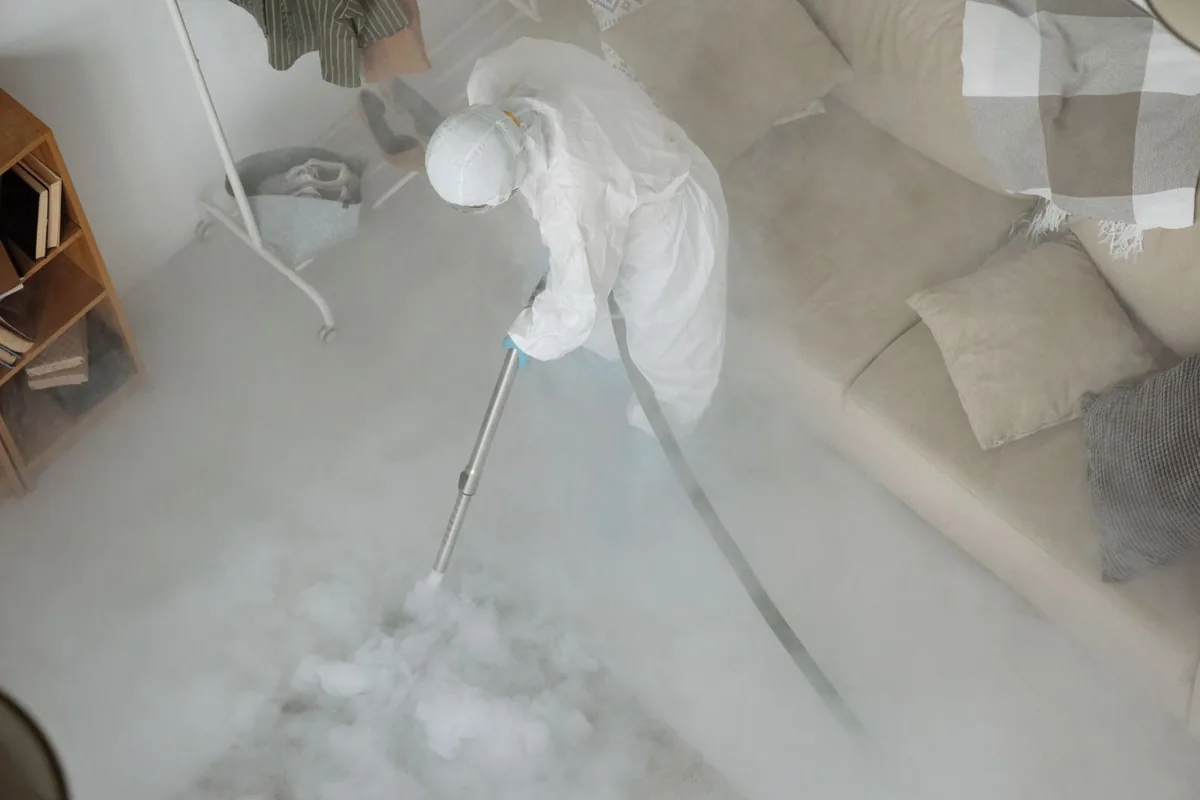
Biohazard removal means taking out the materials that carry germs and then treating what is left so the space is safe again. In Blytheville, AR, property owners, landlords, families and businesses can get this work done by calling Blytheville Biohazard Cleanup Help.
The goal is simple: nothing harmful left behind. Technicians work in protective gear, treat the whole affected area, remove contaminated materials and keep cleaning until the space is livable again. This work is available in Blytheville, across Mississippi County and in towns like Gosnell.
About 71% of homes in Blytheville were built before 1980, and older carpet, subfloor and wood trim absorb fluids deeply. The vacancy rate in Blytheville is 21%, above the Arkansas average. Empty houses can sit unchecked, so sewage, animal waste, rodents and damage can build up unseen.
Decontamination starts with protecting people. Crews suit up in PPE, set up barriers so contaminants cannot drift into clean rooms, and work to OSHA bloodborne pathogen protocols (29 CFR 1910.1030) from the first step to the last.
Hard surfaces get deep cleaning and a hospital-grade disinfectant from the EPA-registered list. Porous materials such as carpet, padding, mattresses and drywall that hold contamination are cut out and removed, because they cannot be made safe by wiping.
Biohazard cleanup is not one job. The list below breaks down the services open to Blytheville families, landlords and business owners.
Safe, careful removal of bodily fluids and other infectious material, finished with hospital-grade disinfection.
Learn more →Cleanup after violent crimes, break-ins and assaults, using protective gear and EPA-registered disinfectants.
Learn more →Discreet trauma cleaning that covers waste disposal, odor removal and records for insurers.
Learn more →Removal of soaked materials, safe waste hauling and deodorizing after a delayed discovery.
Learn more →Professional suicide cleaning services that spare relatives and landlords from the hardest part.
Learn more →Homicide cleaners remove contaminated materials, disinfect every affected surface and prepare records for insurers.
Learn more →Dried and set-in blood lifted from tile, wood and fabric, with odor treated once the cleanup is done.
Learn more →Human feces cleanup and removal in homes, rentals and workplaces, with odor treatment included.
Learn more →Human feces removal with protective gear, EPA-registered disinfectants and sealed disposal of contaminated waste.
Learn more →Decomposition odor removal that treats flooring, walls and air after an unattended death.
Learn more →Hauling, disinfecting and odor removal for crowded homes, without judgment or pressure.
Learn more →Trash, donation and recycling hauled out of crowded homes, followed by a thorough clean.
Learn more →Animal hoarding cleanup with protective gear, soaked flooring removal and thorough sanitizing.
Learn more →Extreme cleaning for unsanitary homes, done with protective gear and without judgment.
Learn more →Sewage restoration that clears contamination and odor so repairs can safely begin.
Learn more →COVID-19 cleanup and coronavirus disinfection of high-touch surfaces, bedrooms, bathrooms and shared rooms.
Learn more →Surfaces cleaned, disinfected and checked so a contaminated room or vehicle is safe to use again.
Learn more →Medical waste removal: sharps, soaked dressings and clinical waste packed, sealed and hauled away.
Learn more →Safe syringe pickup for places where children, pets or customers could be at risk.
Learn more →Clearing a room or unit after drug use, with sealed containers and proper disposal.
Learn more →Clear steps for owners who suspect meth contamination, from first sample to final report.
Learn more →Decontamination for rentals, motels, offices and vehicles after drug incidents and responder visits.
Learn more →Safe removal of solvents, fuels, pesticides, mercury and unlabeled containers from homes and businesses.
Learn more →Cleanup that begins once responders clear the scene, with records for insurers, owners and inspectors.
Learn more →Irritant residue removed from walls, floors, fabrics and vents after tear gas or pepper spray is released.
Learn more →Droppings cleanup in kitchens, garages, ductwork and storage rooms with protective gear and sealed disposal.
Learn more →Pigeon and bird droppings cleanup on ledges, balconies, warehouses and storefronts.
Learn more →Dead animal removal from walls, attics, crawl spaces and vents, with disinfection and odor treatment.
Learn more →Vehicle biohazard cleanup for cars, trucks, vans and buses, with soaked upholstery removed and odor treated.
Learn more →Blood and body fluids removed and disinfected after falls, cuts, crashes and workplace injuries.
Learn more →Commercial cleaning crews disinfect offices, shops, plants and rentals after injuries, deaths and backups.
Learn more →Estate cleanout after a death, handled step by step at the family's pace.
Learn more →The crew comes in an unmarked vehicle and meets whoever has the key or access. Privacy is part of the job from the first minute.
A technician walks the space, notes where fluids reached and lists what can be cleaned and what must be removed. The plan and cost range are explained before work begins.
Porous materials are removed, surfaces are scrubbed and disinfected, and tools are cleaned between steps so germs are not carried to other rooms.
Hydroxyl, ozone or HEPA air treatment removes lingering odor. The crew walks the property one last time before calling the job complete.
Contaminated items are sealed, labeled and kept out of household trash, and the waste leaves under medical waste rules.
Hoarded homes, neglected rentals and difficult situations are treated with dignity. The only goal is a safe, clean space again.
One biohazard cleanup company covers removal, disinfection, odor removal and damaged materials, so the family can step back.
A cleanup specialist explains the steps, the likely cost range and what the property owner needs to do next, in everyday words.
Biohazard cleanup in Blytheville, AR typically costs $500 to $25,000, depending on the type of biohazard, the size of the affected area and how far fluids soaked into porous materials.
Most residential jobs cost $3,000 to $5,000 (Fixr). Ask what is included before agreeing to anything: removal, disinfection, odor control, waste disposal and paperwork. A clear scope helps the family, the landlord and the insurance company agree on the cost.
| Type of job | Typical range |
|---|---|
| Blood spill cleanup, small area | $500 - $2,500 |
| Crime scene cleanup, most homes | $1,500 - $7,500 |
| Unattended death cleanup | $2,000 - $7,000 |
| Suicide cleanup | $1,500 - $5,500 |
| Sewage cleanup, most homes | $2,000 - $10,000 |
| Hoarding cleanup, level 3 home | $2,000 - $5,000 |
| Meth lab cleanup, typical | $15,000 - $20,000 |
Estimates only, not a quote. Sources: Fixr, Yelp Costs, BioCleaners Directory, PushLeads, Dropcurb, Bob Vila and cleanup company cost guides. Call (877) 812-4220 to talk through the job.
With a vacancy rate of 21% in Blytheville, empty buildings can collect animal waste, drug paraphernalia and storm damage that nobody sees until later.
About 35% is the census figure for older adults living alone in Blytheville. When a person dies alone, days may pass before anyone knows, and unattended death cleanup follows.
An average July high of 90 degrees in Blytheville speeds up decomposition after a death. The sooner the scene is released and cleaned, the less the odor and fluids spread.
Falls, power tool injuries, farm and industrial accidents and car crashes can leave blood and tissue behind. Accident scene cleanup removes the trace so the space can be used again.
When a death goes unnoticed for days, decomposition fluids reach flooring and subfloor and the odor spreads. Death cleanup removes the affected materials and treats the odor at the source.
Homes, churches and businesses may need infectious disease disinfection, needle and sharps cleanup, or meth lab and fentanyl decontamination after a property is released.
Before any cleanup starts, the crew asks two questions: what is it, and how much of the property does it touch? The answers shape the safety plan, the equipment and the overall cost.
Safe cleaning means PPE, containment, removal of porous materials, cleaning, EPA-registered disinfectant for the full contact time, and sealed disposal of the waste. A small household spill is a different matter than a death or crime scene, and anything larger than a few drops should be left to a crew.
Describe what happened, where it is, how big the area is and whether police have released the scene. Mention any insurance claim, pets, valuables or access issues. The more detail you share, the clearer the plan and cost range can be.
Biohazard cleaning is the safe removal of infectious or contaminated material and the disinfection of whatever it touched. Crews wear protective equipment, remove porous materials that cannot be made safe, and dispose of the waste under medical waste rules. It goes far beyond ordinary housecleaning.
Many jobs are priced by the scope of the work rather than as one simple hourly rate. The type of biohazard, the size of the area, the materials removed and waste disposal set the total. Ask the cleanup team how the cost is worked out.
A few drops from a small cut can sometimes be cleaned up by a careful person wearing gloves, with disinfectant on hard surfaces. Larger amounts, anything on porous materials, or fluids from another person are best left to a cleanup crew.
It is not safe. Household cleaners do not reach blood and fluids that soak into carpet, padding, drywall and subfloor, and there are rules for disposing of biohazardous waste. A professional biohazard cleaner uses PPE, EPA-registered disinfectants and regulated medical waste disposal.
It can. Mississippi County has a Relatively Low river flood risk rating from FEMA. Wherever floodwater or a sewer backup enters a home, the water is treated as Category 3 and needs full cleaning and disinfection.
They can. About 71% of homes in Blytheville were built before 1980, and older carpet, subfloor and trim absorb fluids deeply. The crew inspects each home to see how far the contamination went.
The service area reaches from Blytheville to Blytheville, Gosnell and Manila. Whichever town the property is in, the process and the protective standards stay the same.
Describe what happened, and the cleanup team will explain the next steps.
Call (877) 812-4220